General
Explore LARUS Foundation articles on internet governance, digital inclusion, networking, cybersecurity, and the policies shaping an open internet.
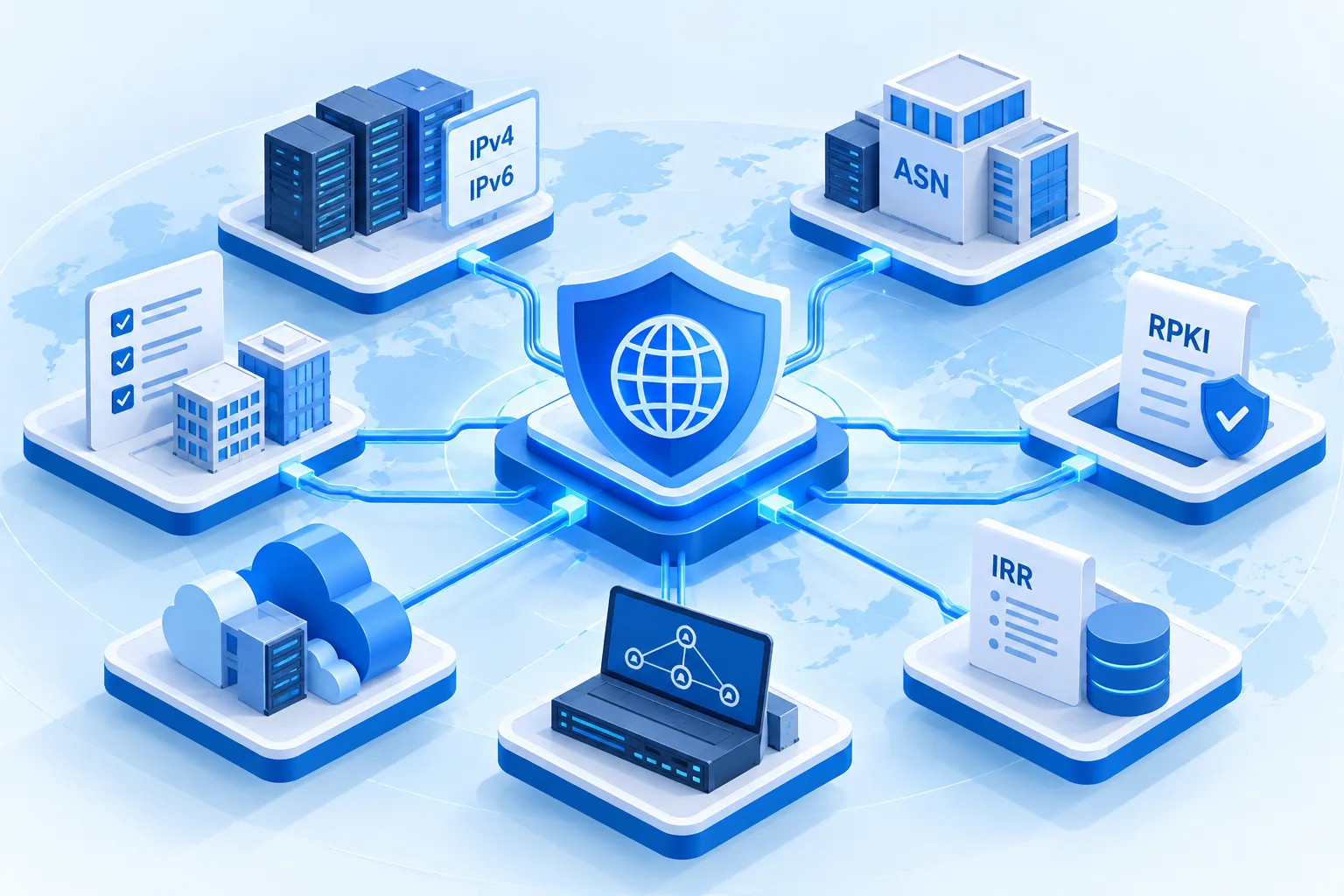
IP Address and ASN Continuity Planning: Enterprise Guide
Learn how enterprises can protect IPv4, IPv6 and ASN continuity by planning for registry access, BGP, RPKI, IPAM, DNS, provider changes, staff turnover and disaster recovery.
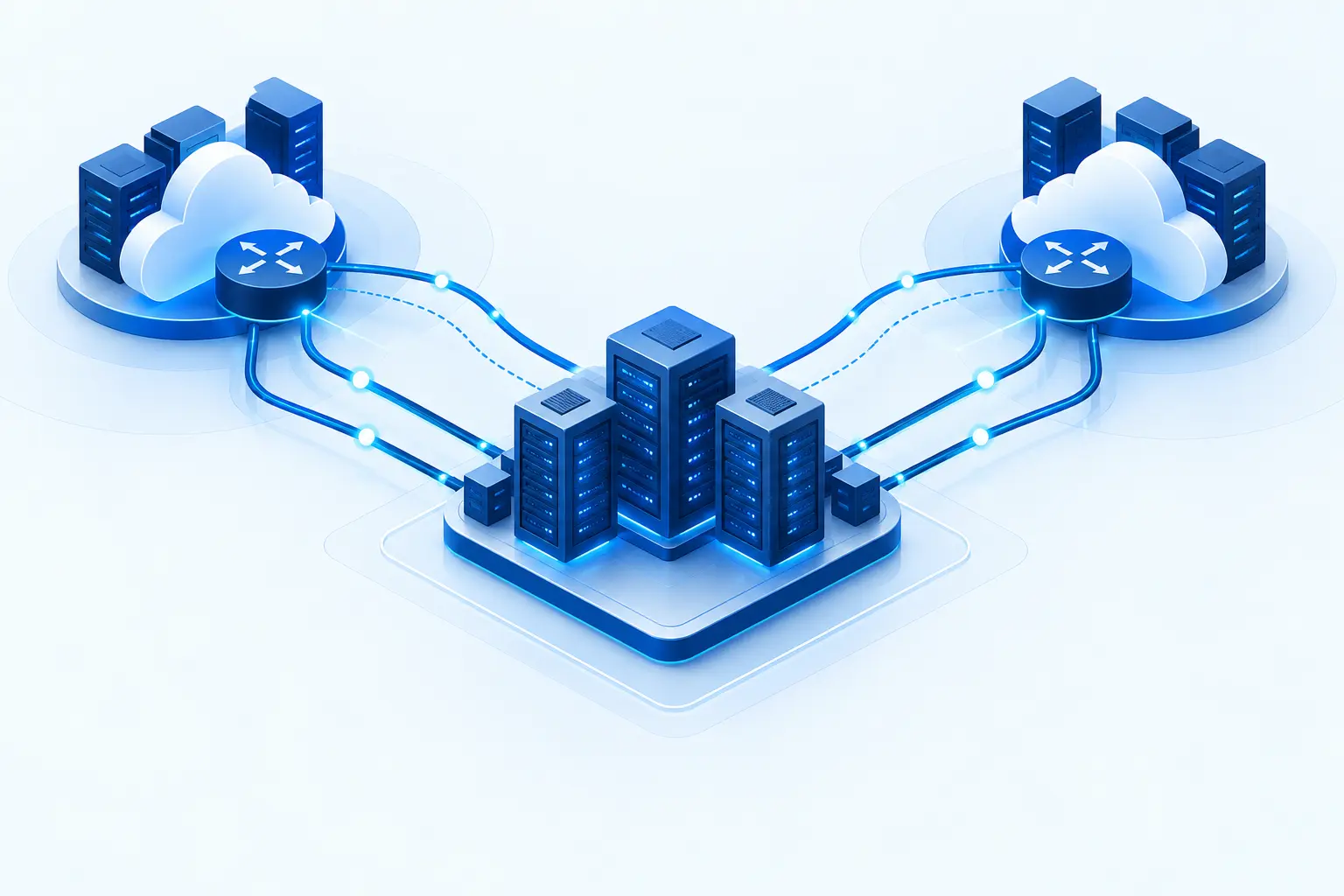
What Is BGP Multihoming? Benefits, Risks and How It Works
Learn how BGP multihoming connects a network to multiple Internet providers, how failover and traffic engineering work, and the benefits and risks for network resilience.
Why Do Websites Keep Asking If I’m a Robot?
Websites ask you to verify that you are human when their security systems need more confidence that a visit is legitimate
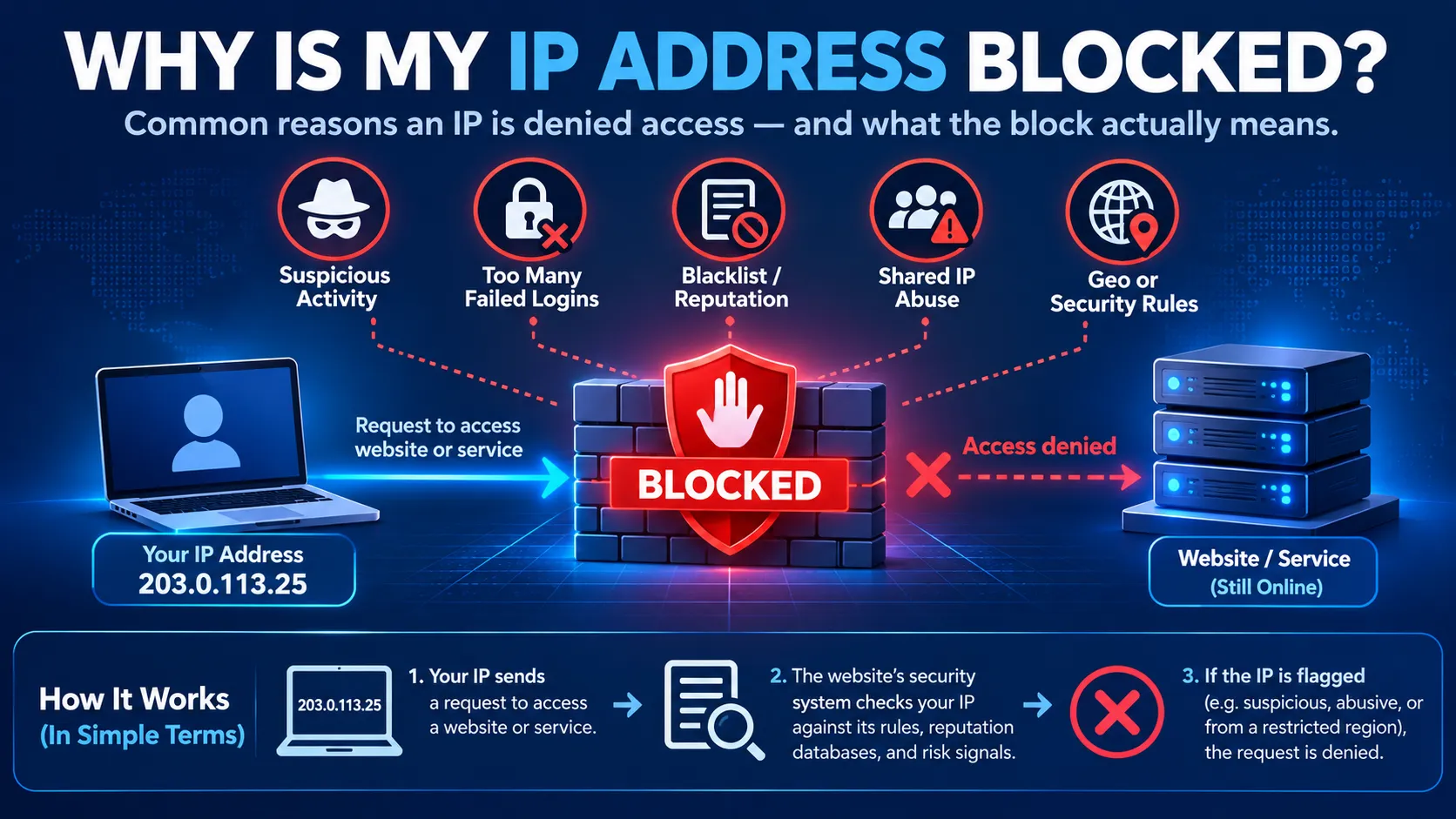
Why Is My IP Address Blocked? How to Identify the Cause and Restore Access
Your IP address may be blocked because a website applies an access rule, detects unusual activity or uses reputation data associated with your connection.

What Is an Internet Exchange Point (IXP)
Learn what an Internet Exchange Point is, how IXP peering works, the difference between peering and IP transit, and what 2026 data reveals about global Internet interconnection.
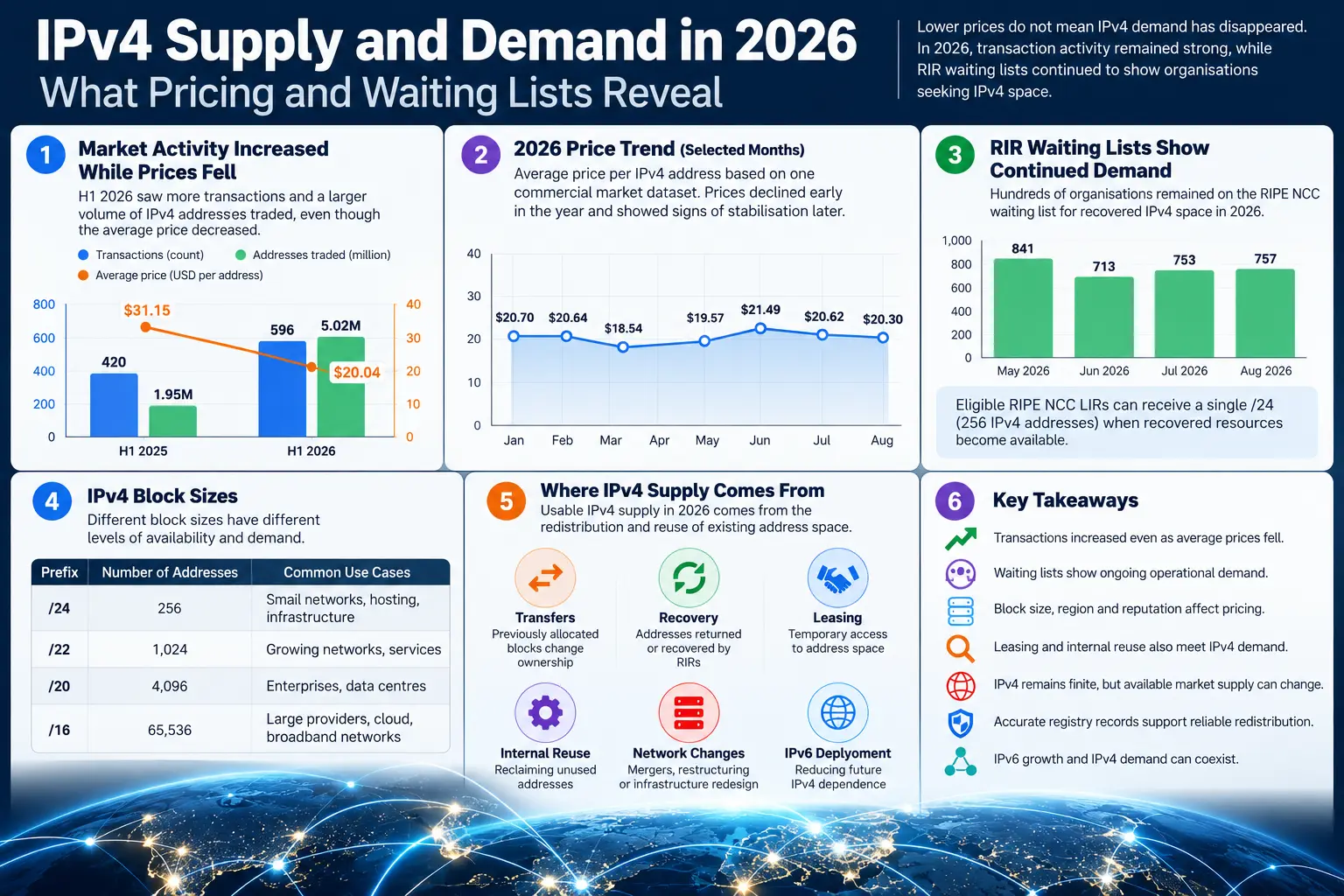
IPv4 Supply and Demand 2026: Prices, Transfers & Waiting Lists
Explore IPv4 supply and demand in 2026 through market pricing, transaction activity, transfers and RIR waiting lists—and why lower prices do not mean IPv4 demand has disappeared.
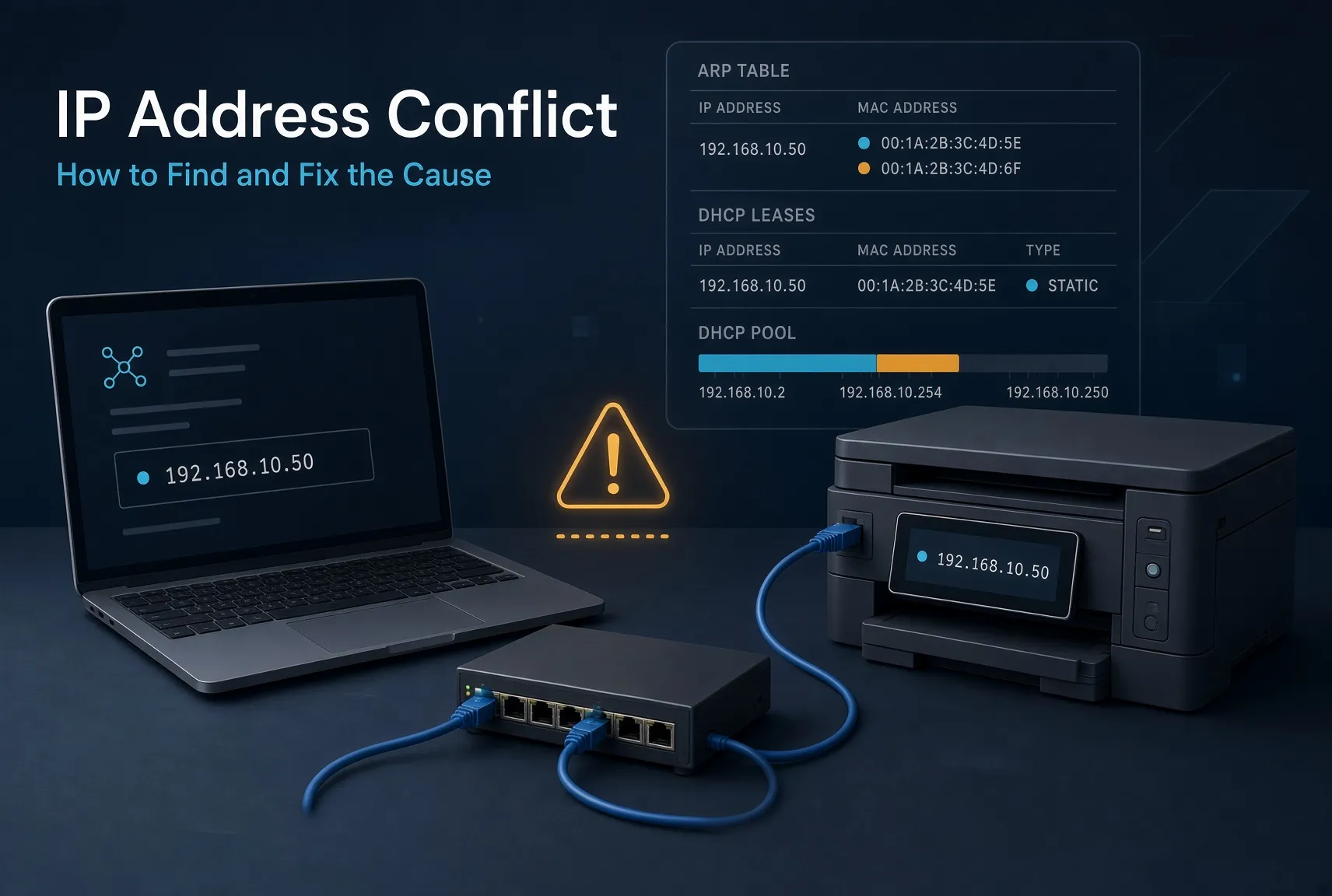
How to Investigate an IP Address Conflict: DHCP, Static IPs and IPAM
An IP address conflict occurs when devices on the same network link attempt to use the same IP address without an intentional mechanism for sharing it. The result can be interrupted connections, unreachable services or an operating-system warning.
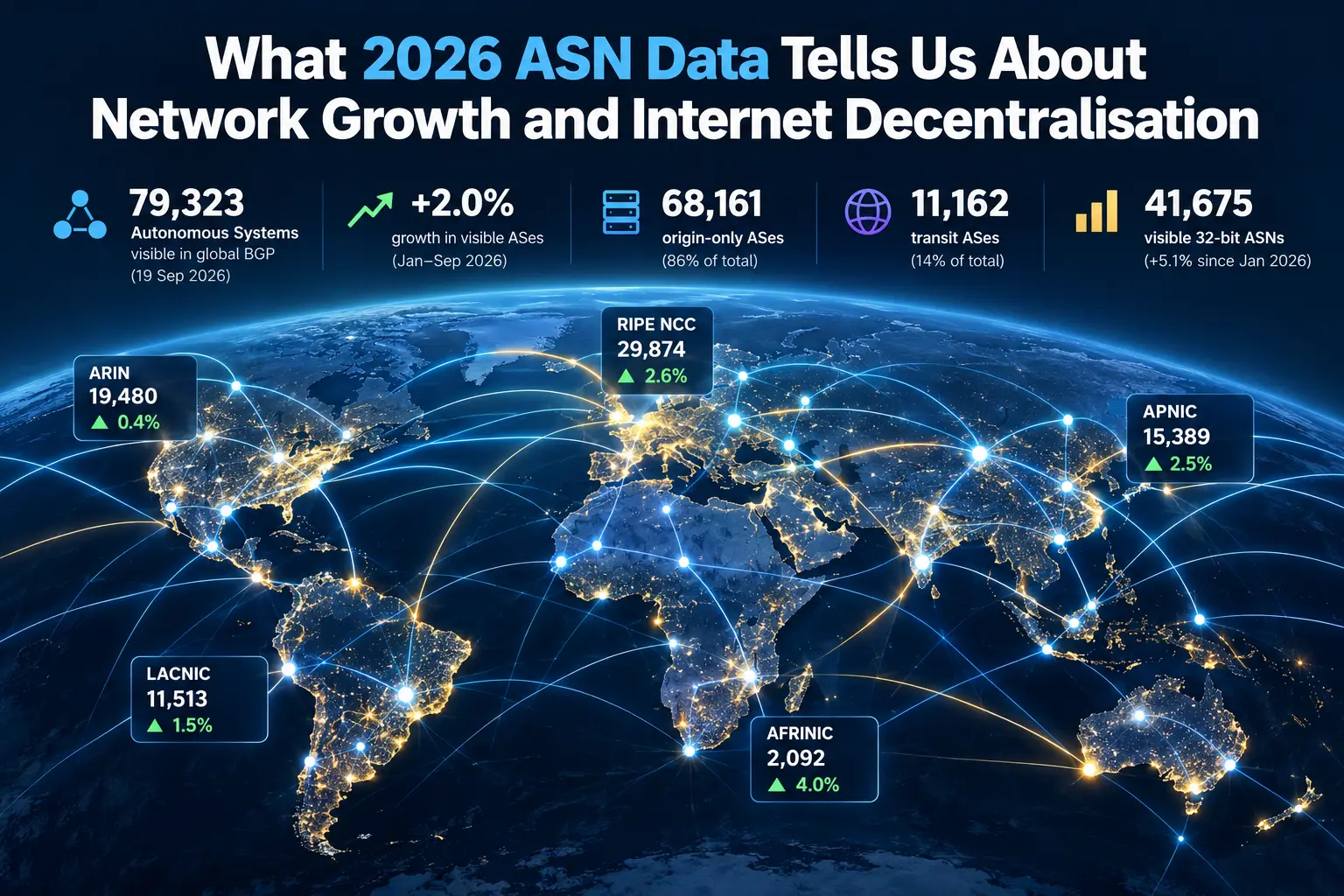
What 2026 ASN Data Tells Us About Network Growth and Internet Decentralisation
Explore what 2026 Autonomous System Number data reveals about Internet network growth, BGP routing, regional differences, 32-bit ASN adoption and decentralisation.
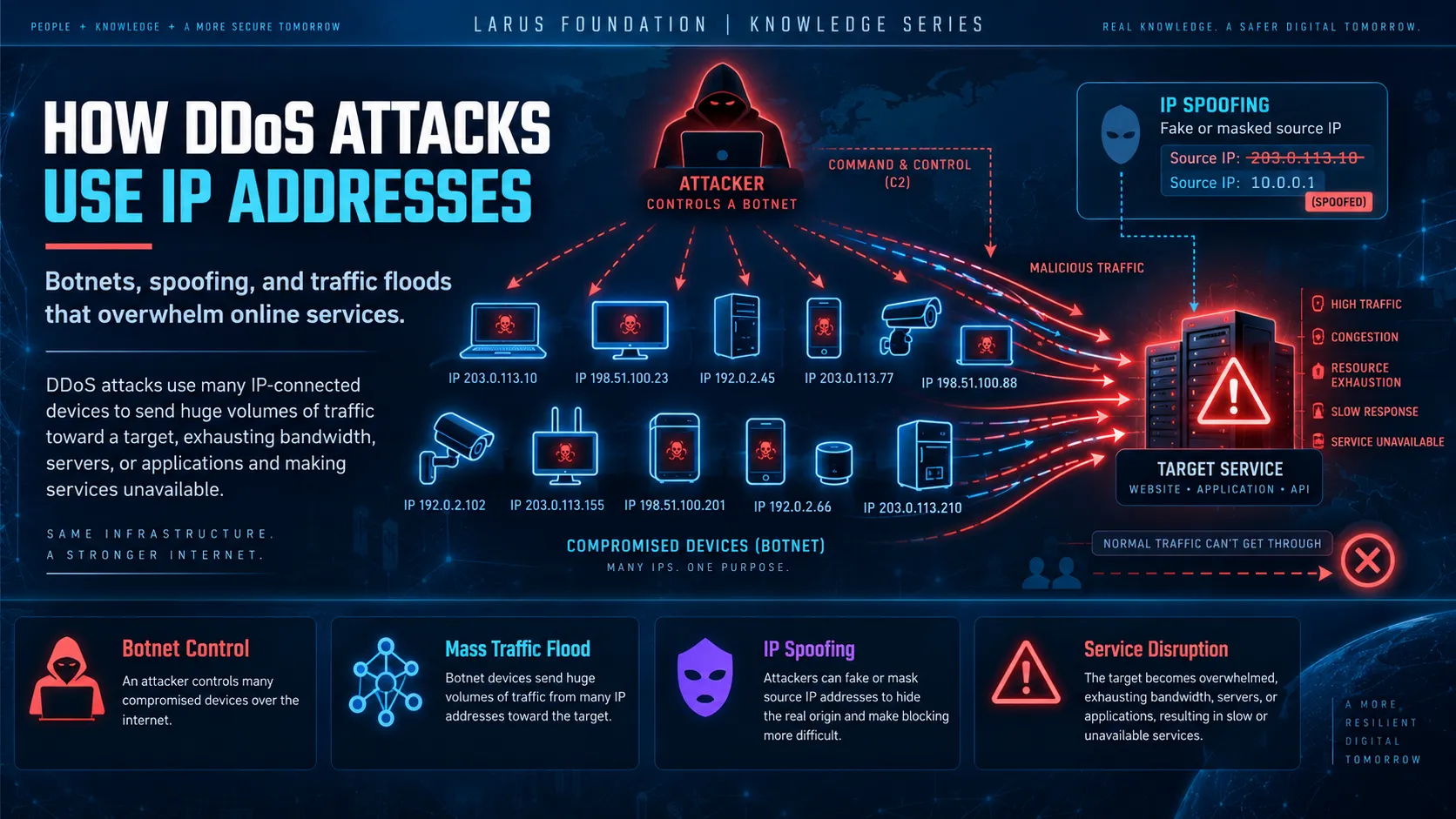
How DDoS Attacks Use IP Addresses: Botnets, Spoofing and Traffic Flooding Explained
Learn how DDoS attacks use IP addresses, botnets, spoofed source IPs and reflection attacks to flood targets, and why blocking one IP is rarely enough.
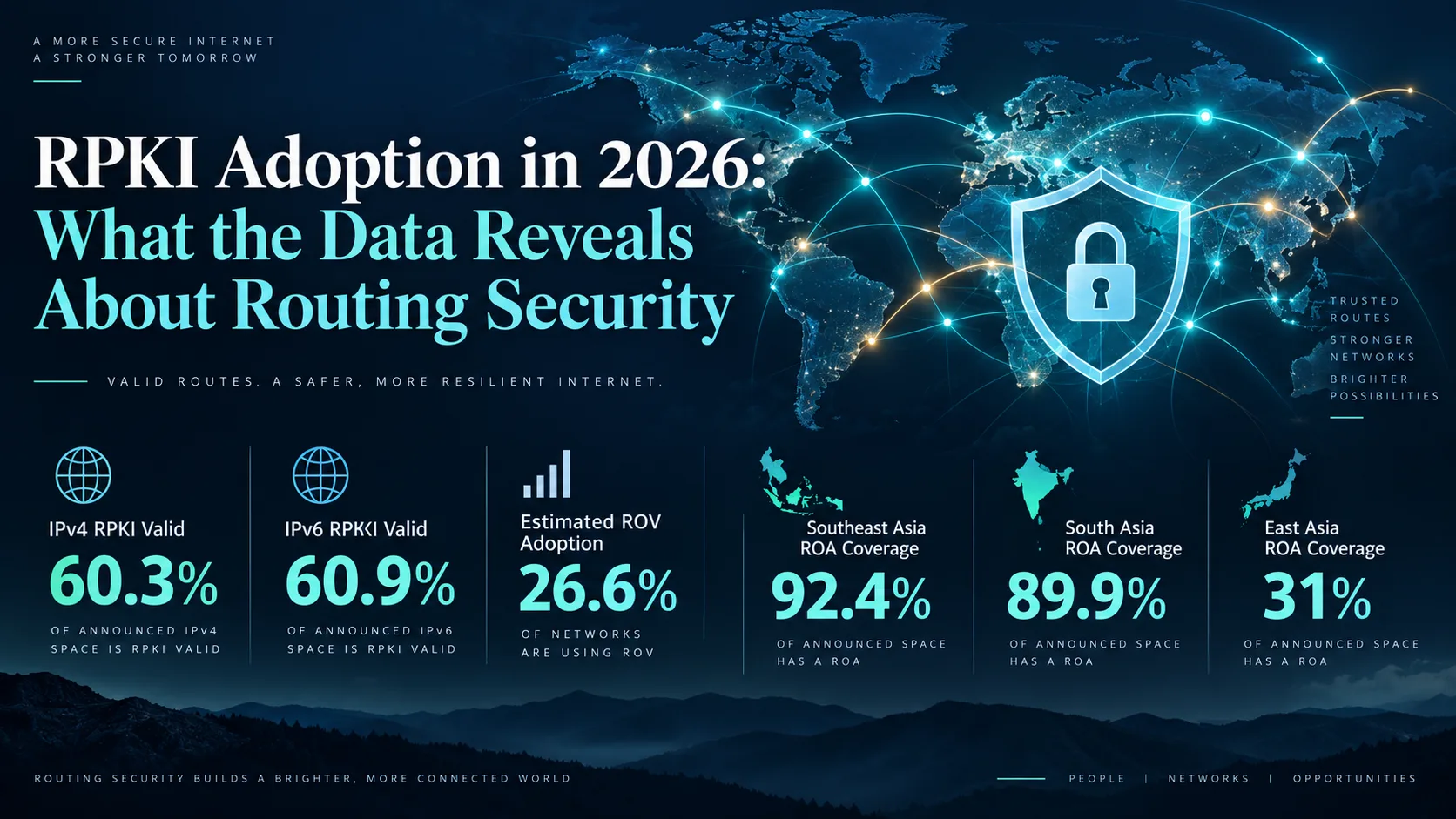
RPKI Adoption in 2026: What the Data Reveals About Routing Security
Explore 2026 RPKI adoption data, including ROA coverage, ROV deployment and regional differences, and what the trends mean for IPv4 routing security
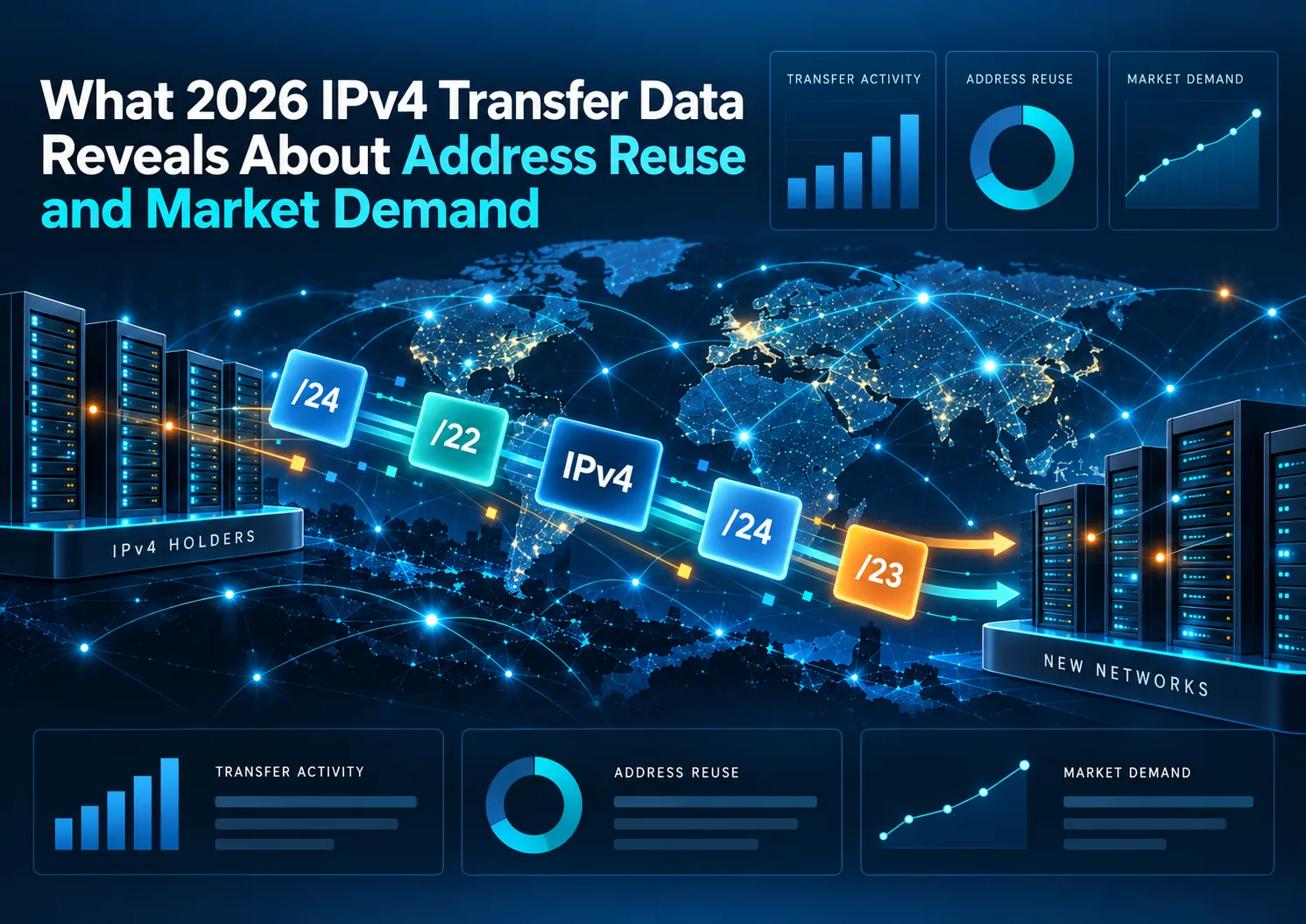
What 2026 IPv4 Transfer Data Reveals About Address Reuse and Market Demand
Explore what 2026 IPv4 transfer data reveals about address reuse, market demand, block fragmentation, registry records, and the changing lifecycle of IPv4 resources.
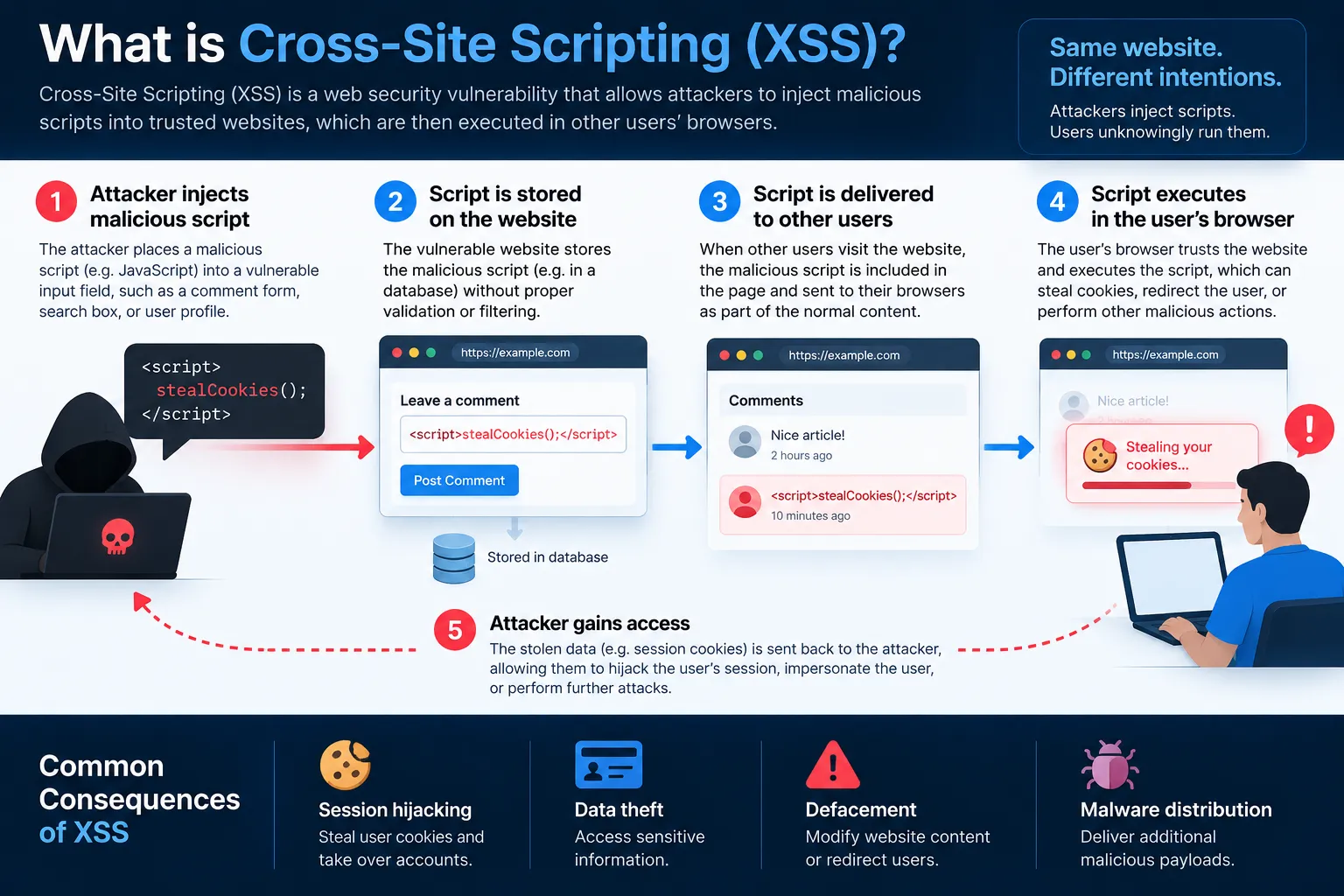
What Is Cross-Site Scripting (XSS)? How It Works, Examples and How to Prevent It
Cross-Site Scripting happens when attacker-controlled input reaches a webpage in a way that allows the browser to treat it as executable content.