
Blog — Page 7
Insights on internet governance, digital policy and education from the LARUS Foundation.
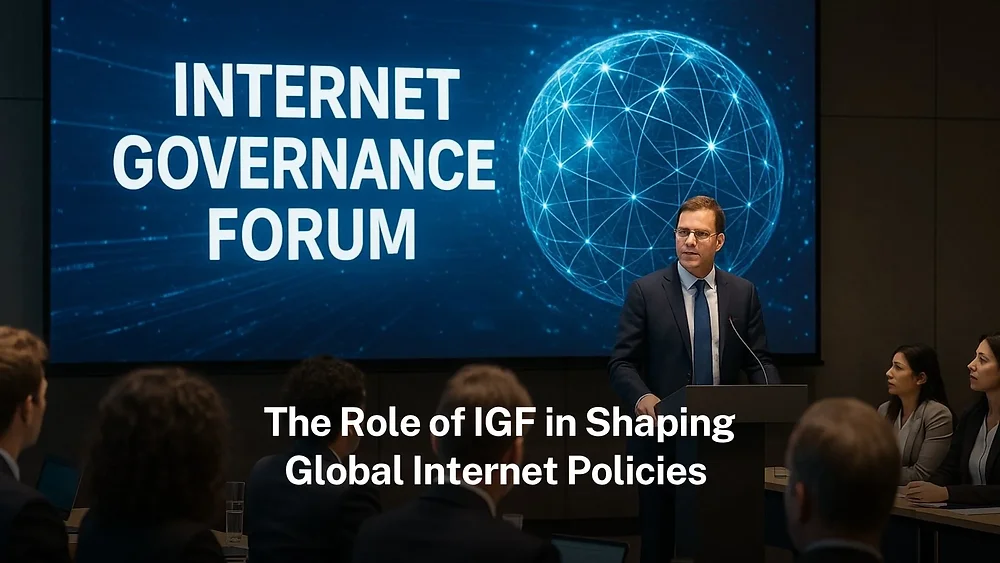
The Role of IGF in Shaping Global Internet Policies
The Internet Governance Forum tries to give more people access to digital services. It supports building regulatory systems that work well and last.Key PointsThe IGF offers a special platform for focused talks. Governments take an active part in this platform. Private sector reps join the convers...

Understanding the Internet Governance Forum: A Global Dialogue on Internet Policy
Table of ContentsIntroduction to the Internet Governance ForumThe Mandate and Structure of the IGFKey Themes and Discussions at the IGFThe Role of Stakeholders in the IGFAchievements and Impact of the IGFThe Future of the IGF and Global Internet GovernanceFAQIntroduction to the Internet Governan...

Internet Governance Principles 2026: What You Need to Know
It is crucial for anyone. Anyone who aims to navigate the future of the digital world. The future of the digital world requires this navigation.Internet governance principles serve a role. They ensure fairness across global digital networks. They ensure security across these global digital networ...

The Role of Civil Society and NGOs in Internet Governance
Civil society and NGOs ensure inclusivity in internet governance processes and also ensure accountability of all stakeholders involved. • Civil society and NGOs take actions to do this. Their goal is to make sure internet governance prioritises fairness. They also aim to make sure it prioritises ...
ICANN’s Role in Internet Governance - LARUS.foundation
Table of ContentsFunctions and Mandate of ICANNICANN's Multi-Stakeholder ModelTransitioning Oversight to the Global CommunityChallenges and CriticismsThe Future of ICANN and Internet GovernanceFAQsIntroductionHistory The Internet Corporation for Assigned Names and Numbers (ICANN), a nonprofit org...
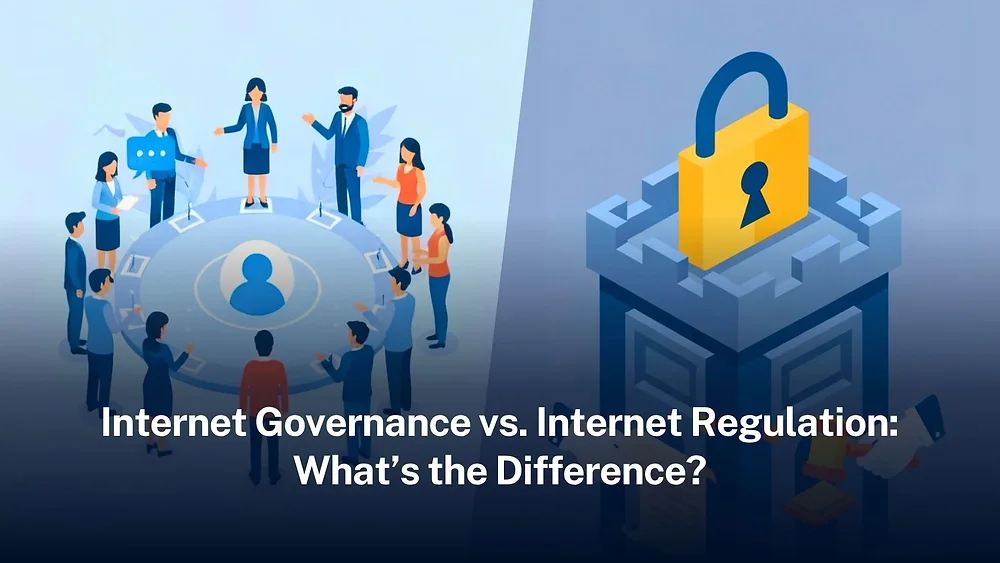
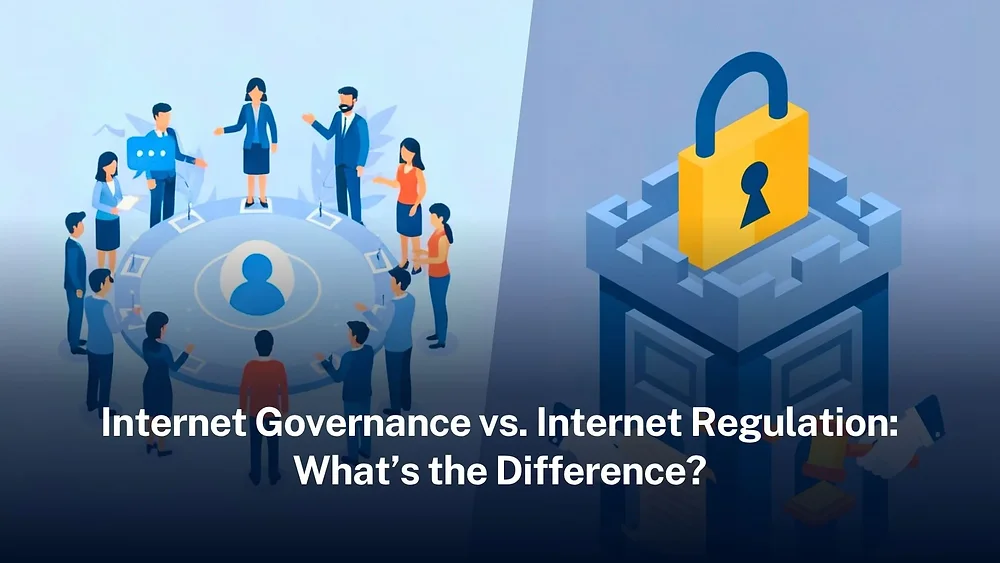
Internet Governance vs. Internet Regulation
Discover the key differences between Internet governance and Internet regulation. Learn how global policies, technical standards, and government laws shape the way
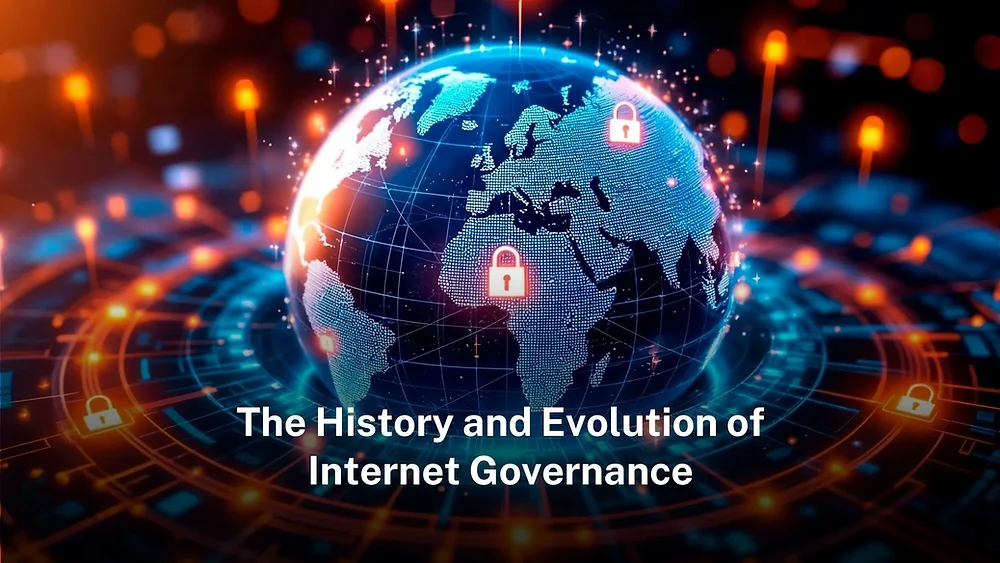
The History and Evolution of Internet Governance
Explore the history and evolution of internet governance, from its early beginnings to modern frameworks shaping global connectivity, policies, and digital rights.
How Regional Internet Registries (RIRs) Handle IP Allocation
Table of ContentsIntroductionWhat are RIRsThe role of IANA and ICANNThe Allocation ProcessThe Important of RIRThe Future of IP Address AllocationFAQsRegional Internet Registries (RIRs) are trying make sure these addresses are distributed efficiently and fairly. This distribution is essential to k...
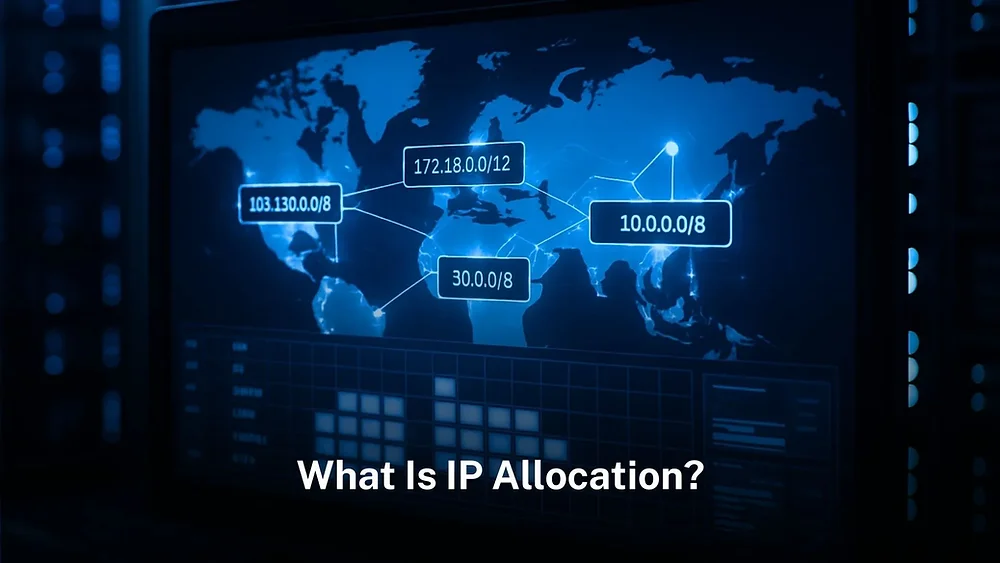
What Is IP Allocation?
• The process prevents address conflicts, ensures global routing, and supports internet stability and growth, with policies developed by a bottom-up, community-led consensus model. • IP allocation is a hierarchical system that offers every internet-enabled device a unique numerical address. F...
The role of IP brokers in the IPv4 shortage era
• Brokers connect organisations seeking IPv4 space with legitimate holders, helping them pass registry checks and avoid fraud in a complex, regulated market. • Registries oversee accuracy and policy compliance, not price; broker programmes and due-diligence guidance have evolved as transfer volu...
The Role of RIRs in Internet Governance
Understanding RIRs in the Internet system The job of an RIR is wider than allocation alone. It includes running public databases that show who holds which addresses, operating security and routing tools that reduce risk, and giving training so operators can deploy new protocols. In the early Int...
Why IPV4 subnets are essential in modern networking
IPv4 subnets stay vital for modern networks as they boost security efficiency and scalability while IPv4 is still widely used. • IPv4 subnets make networks safer by separating traffic and stopping cyberattacks from spreading. • They make networks work better by cutting down on broadcast traffic a...