
Blog — Page 2
Insights on internet governance, digital policy and education from the LARUS Foundation.
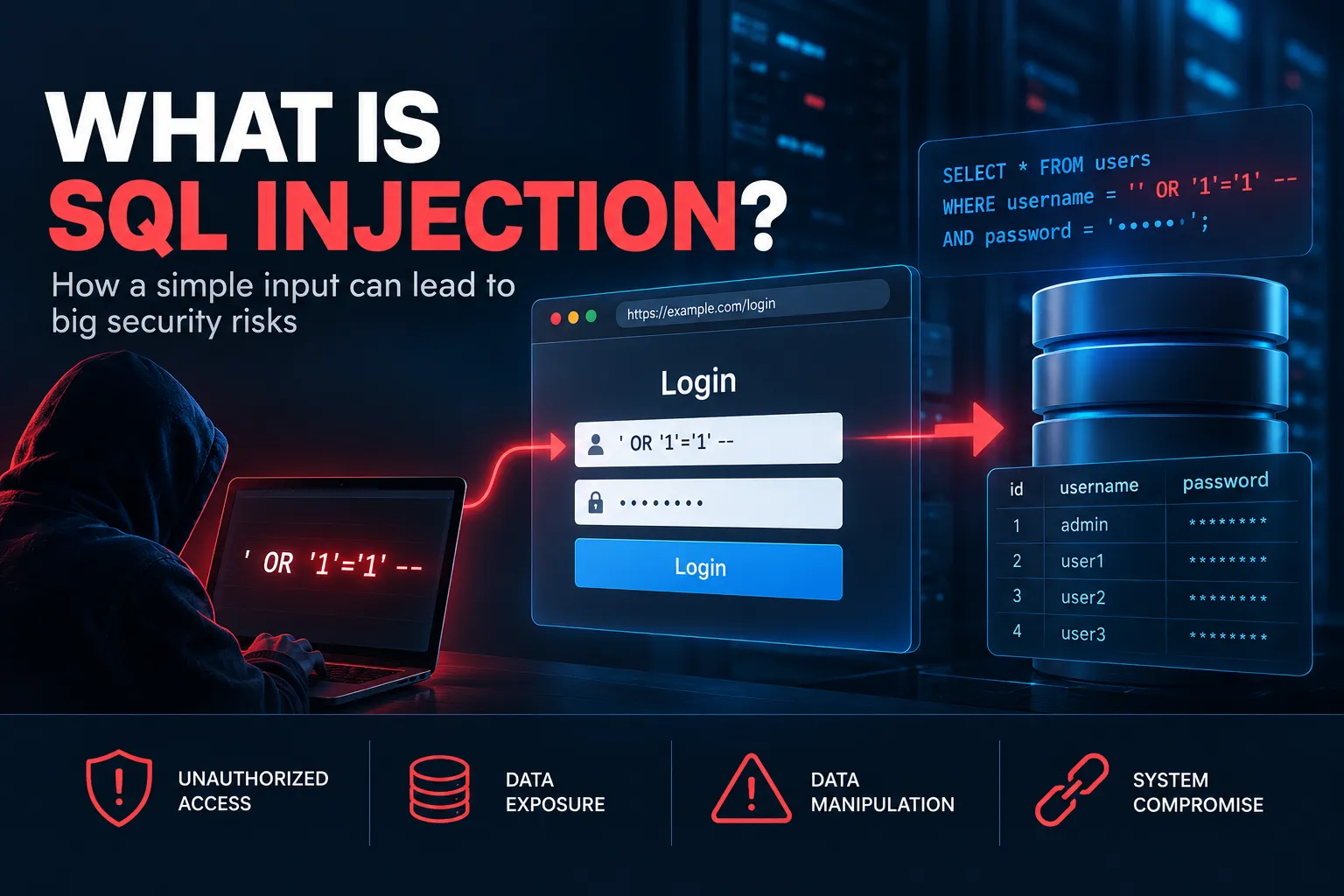
What Is SQL Injection? How It Works, Examples and How to Prevent It
SQL injection, commonly shortened to SQLi, is a web application vulnerability that occurs when user-controlled input is allowed to interfere with a database query.
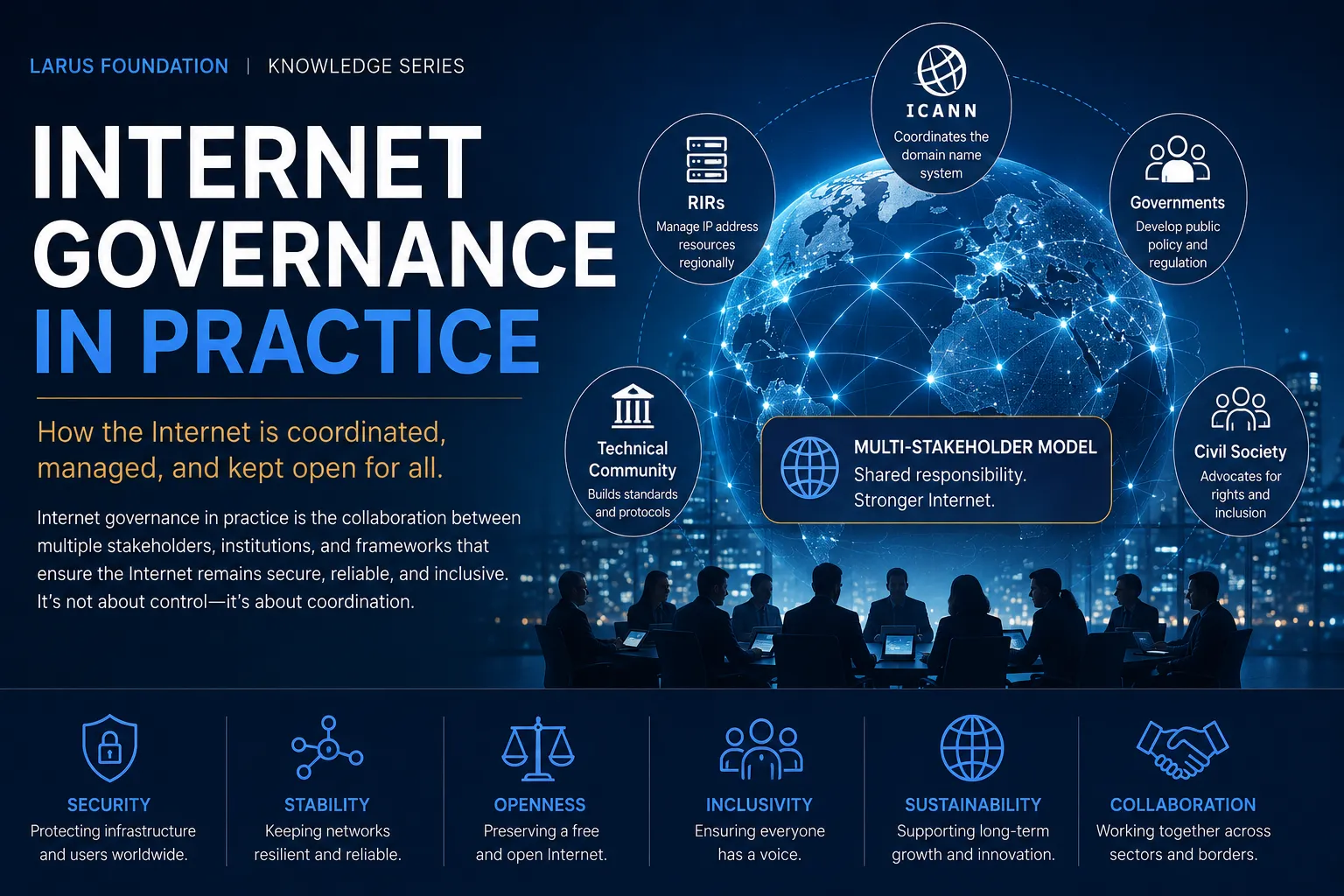
Internet Governance in Practice: How Decisions Shape the Internet
The processes through which these different participants develop rules, coordinate shared resources, establish technical standards, and resolve competing interests are broadly described as Internet governance.
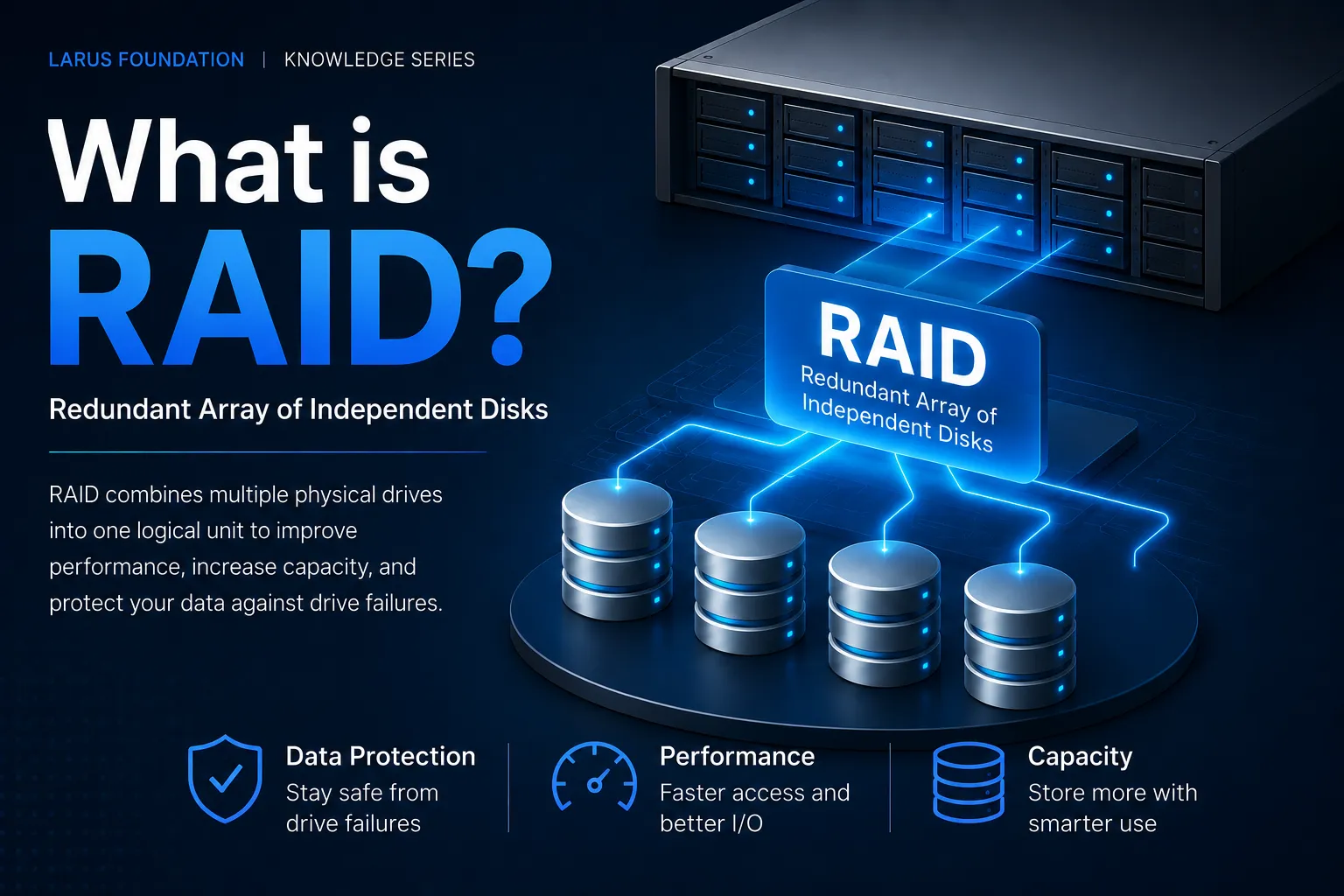
What Is RAID? How It Works and Why RAID Is Important for Data Storage
RAID allows multiple physical drives to work together as one logical storage system. Depending on the RAID configuration, the goal may be better performance, greater storage capacity, protection against drive failure, or a balance of all three.
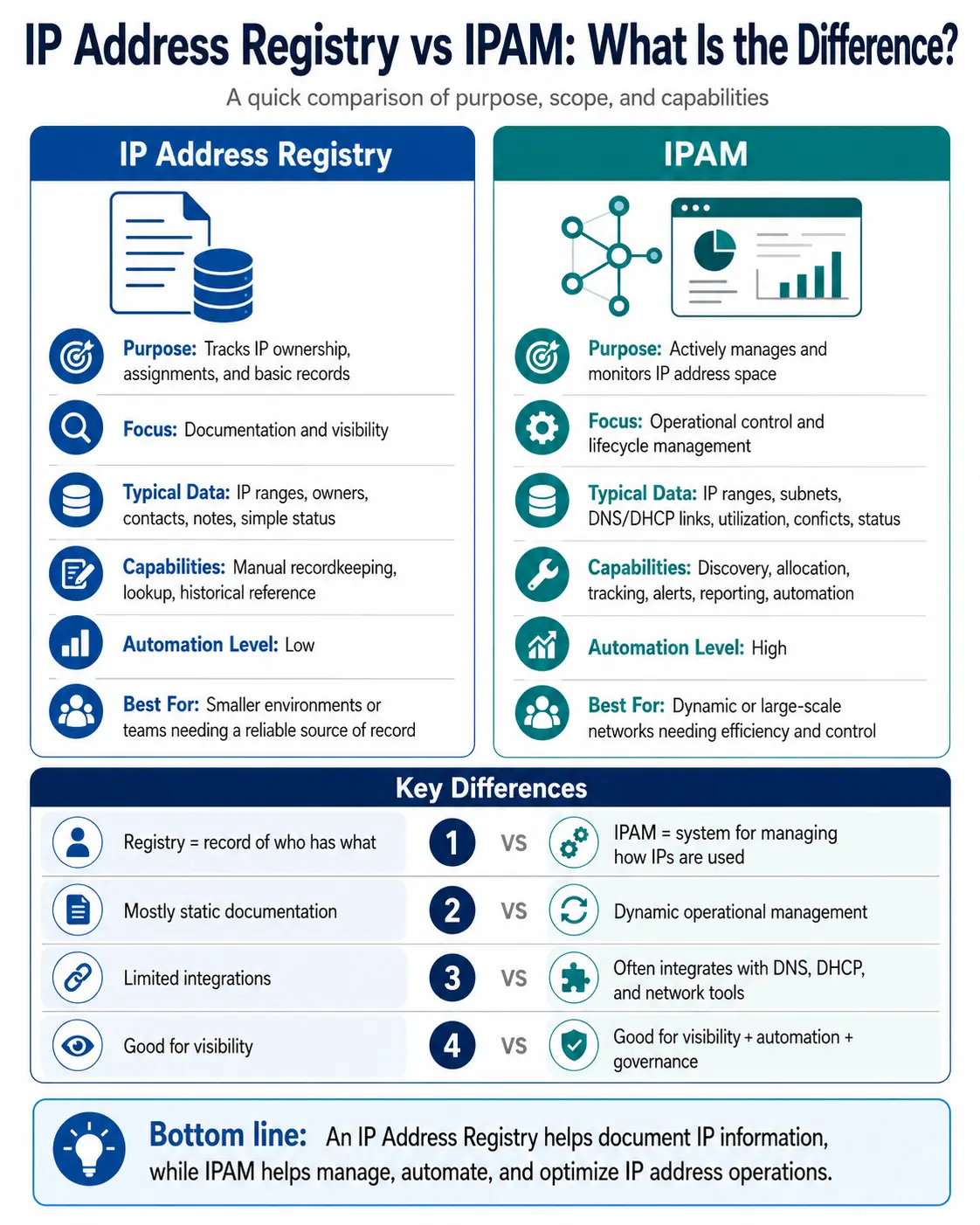
IP Address Registry vs IPAM: What Is the Difference?
An IP address registry and an IP Address Management system (IPAM) both contain information about IP addresses, but they serve different purposes. An IP address registry helps coordinate Internet number resources and maintain registration information, while IPAM helps an organisation plan, assign, track, and manage the IP addresses used inside its own networks.

AI-Powered Cyberattacks vs Traditional Cyberattacks: What Changes When Attackers Use AI?
An AI-powered cyberattack is not necessarily an entirely new type of attack. In many cases, attackers still use familiar techniques such as phishing, credential theft, malware, vulnerability exploitation, ransomware and social engineering. What AI changes is how quickly, cheaply and at what scale some of those activities can be performed.

Cybersecurity Threats in 2026: What the Data Shows About AI, Ransomware and Infrastructure Risk
Cybersecurity threats in 2026 are becoming harder to understand through a simple list of malware, phishing and ransomware.
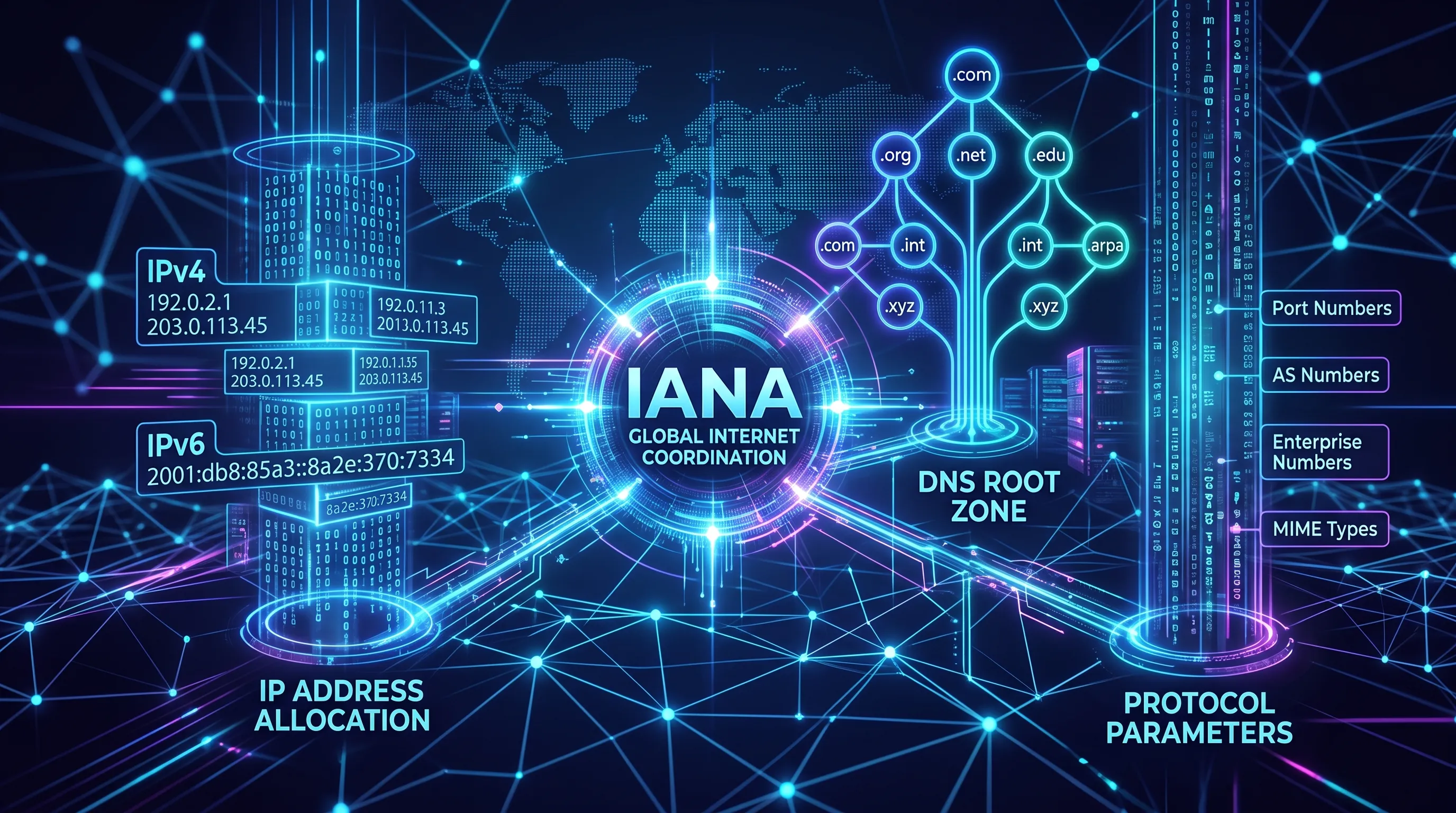
What Is IANA? How the Internet Assigned Numbers Authority Keeps the Internet Coordinated
The Internet Assigned Numbers Authority (IANA) coordinates some of the globally unique identifiers that allow the Internet to operate as one interconnected network.
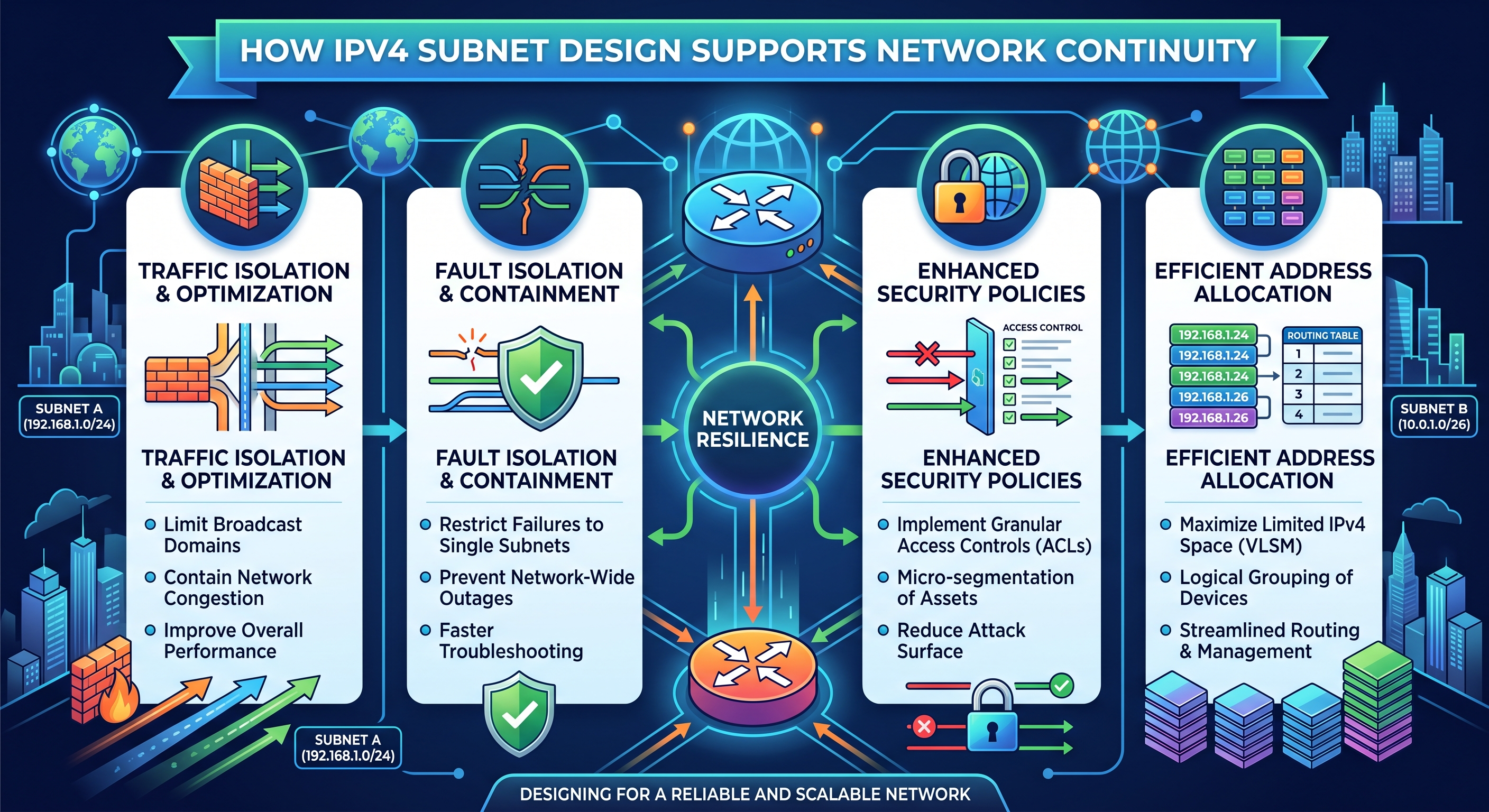
How IPv4 Subnet Design Supports Network Continuity
IPv4 subnet design supports network continuity by creating structured address boundaries, allowing room for realistic growth, simplifying routing, reducing address fragmentation, and lowering the risk of disruptive IP renumbering.
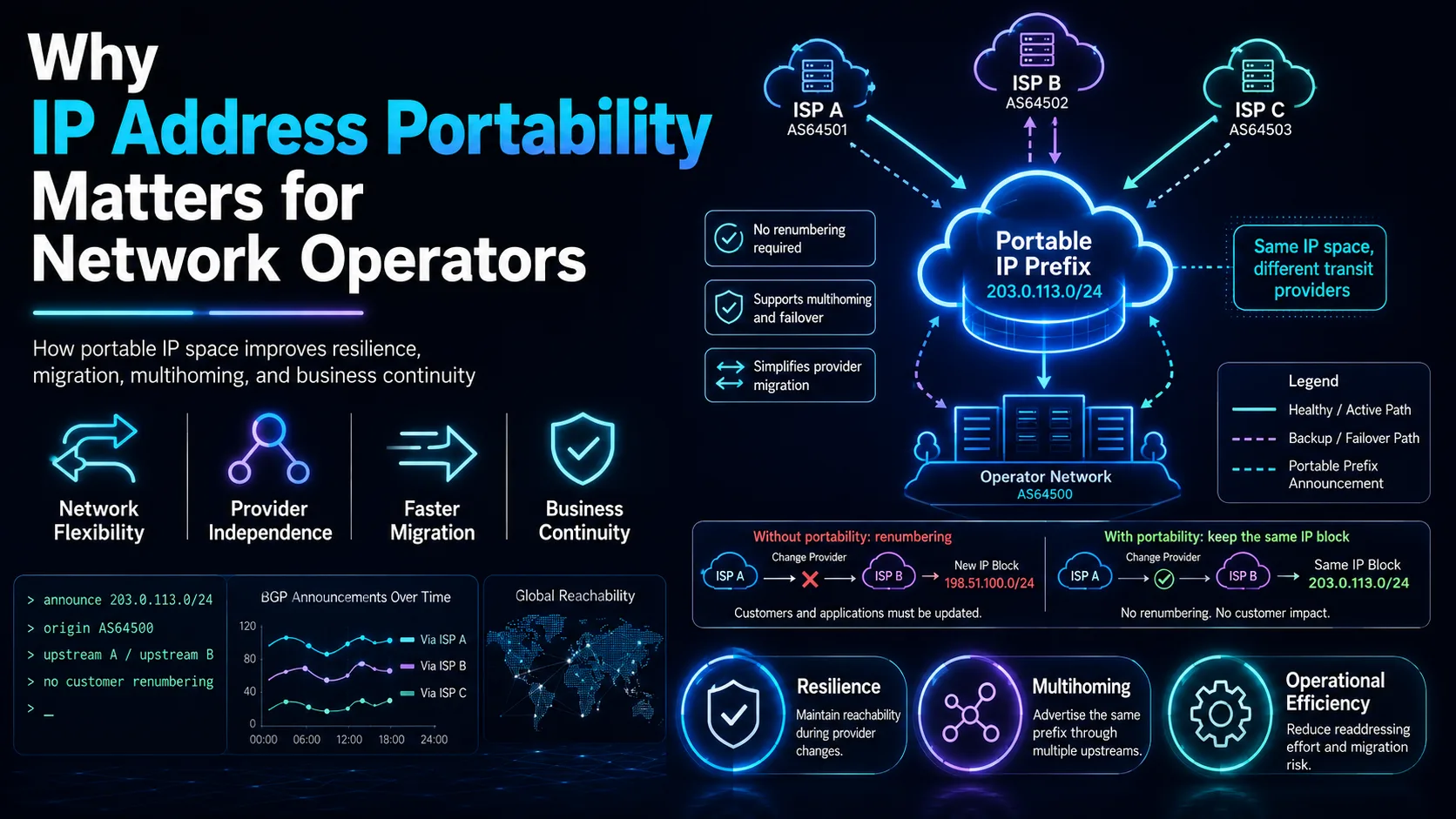
Why IP Address Portability Matters for Network Operators
Learn why IP address portability matters for network operators, how it supports network continuity and resilience, and why Internet number resources need credible exit and failover paths.
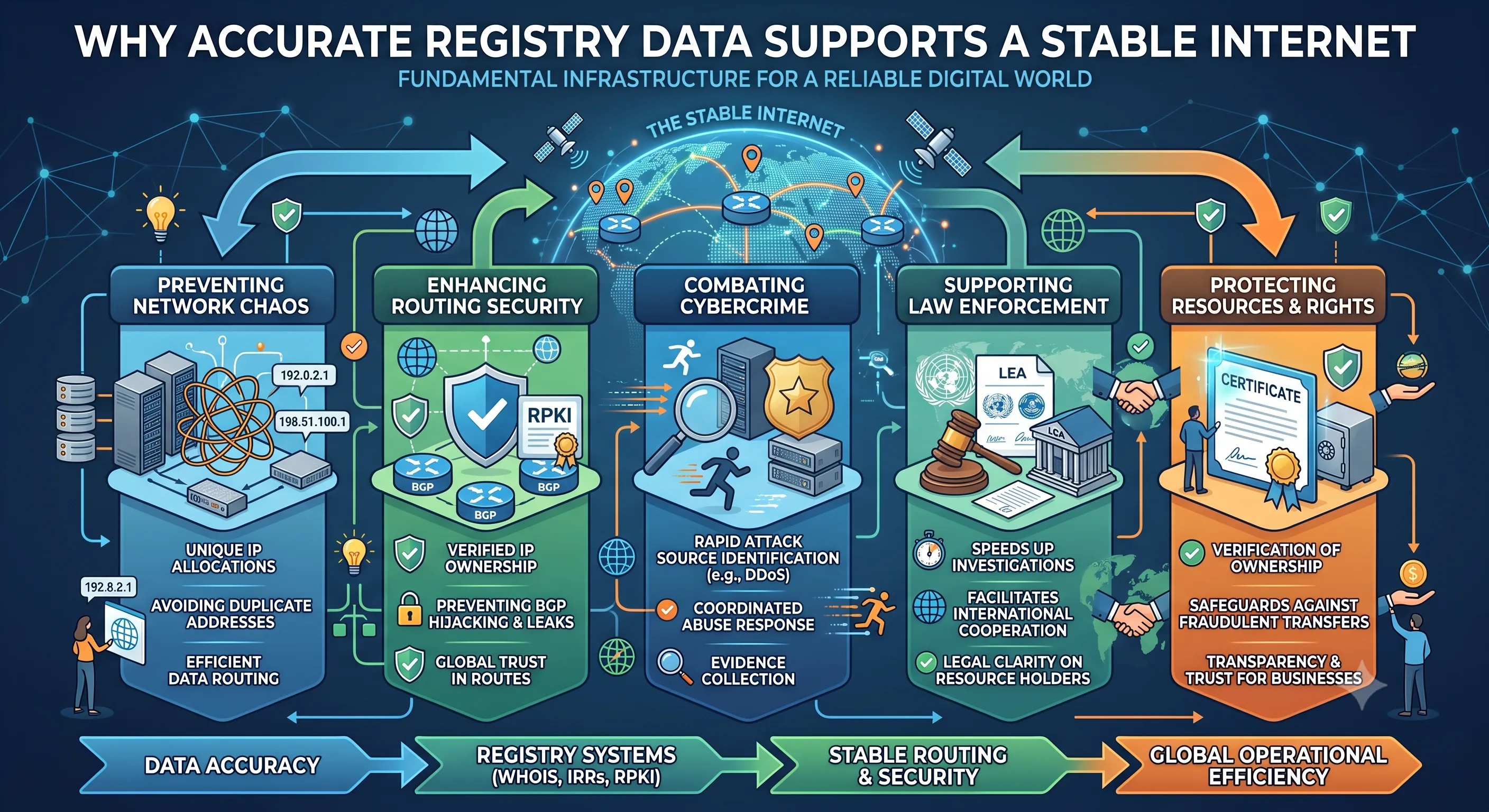
Why Accurate Registry Data Supports a Stable Internet
The Internet operates through layers of technical coordination. Networks must know where traffic should go, which organisation is responsible for an address block, and whom to contact when something goes wrong.

Why Digital Inclusion and Open Internet Infrastructure Matter for Economic Growth
Digital inclusion is often described as a social objective: give more people access to devices, improve digital skills, and connect underserved communities to the Internet.
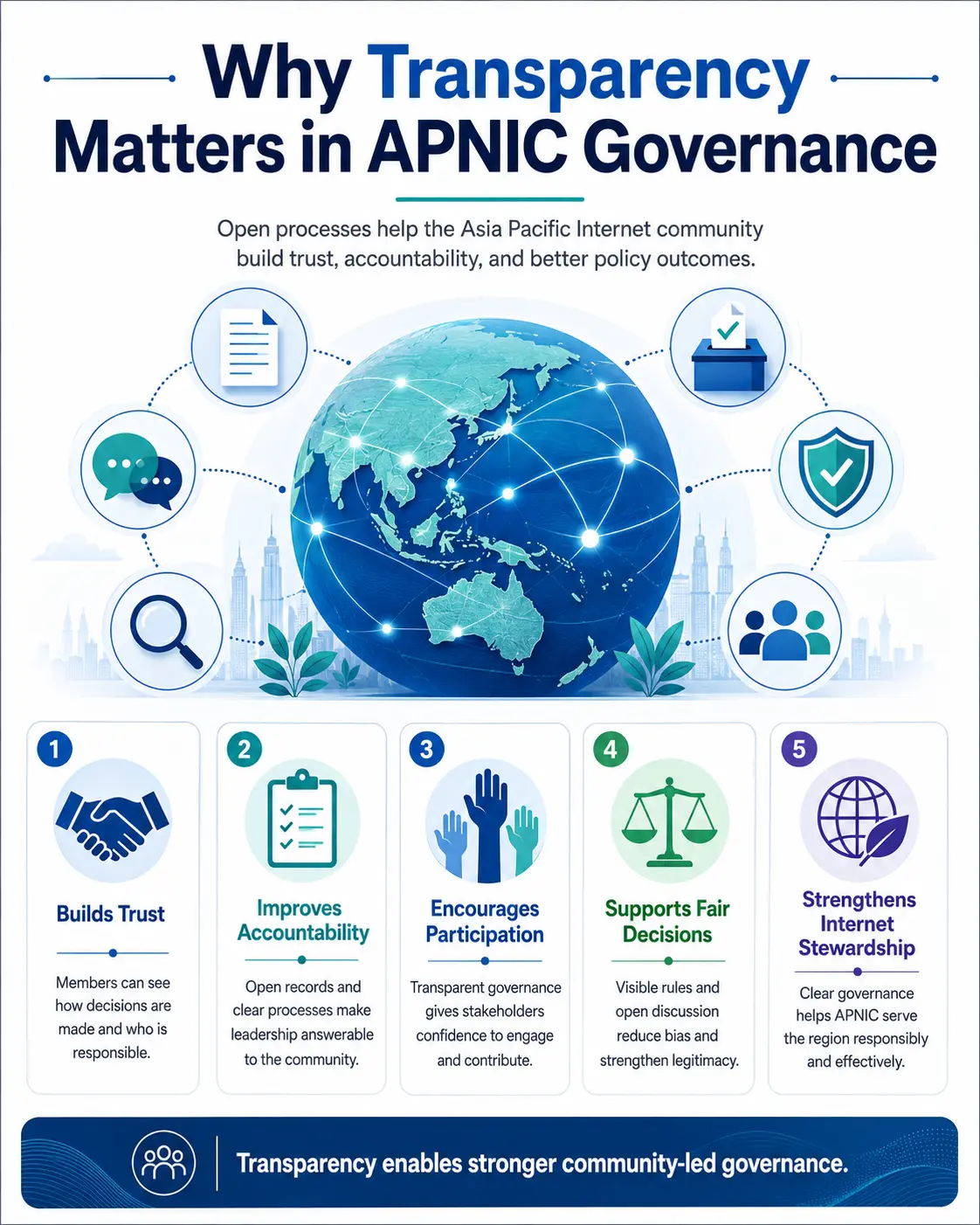
Why Transparency Matters in APNIC Governance
Discover why transparent APNIC governance is essential for fair IP resource management, accountable leadership, informed participation, and trust across the Asia-Pacific Internet community.